
What Size AC Do I Need for My Florida Home?
· By Leandro Souza
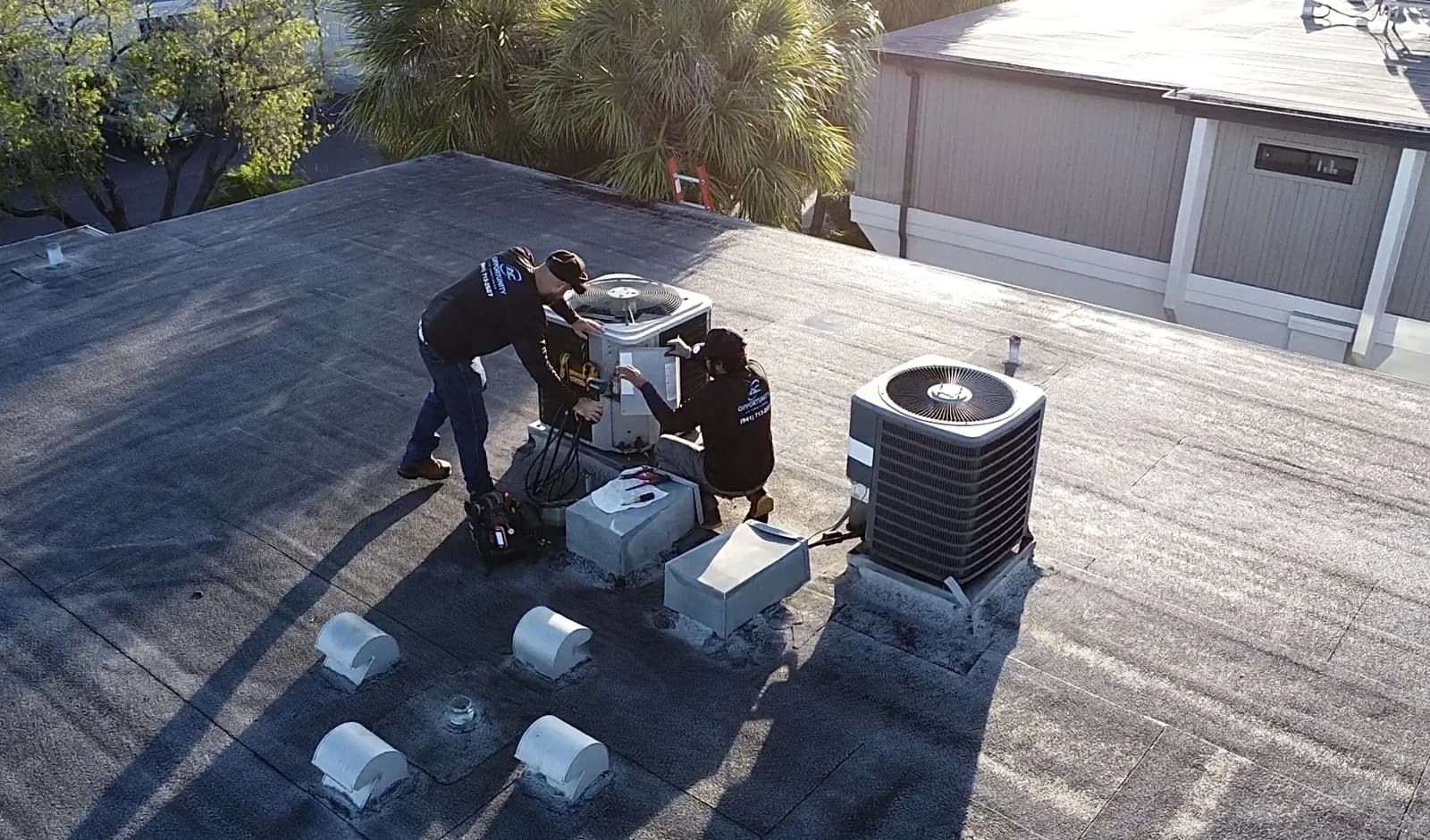
If you are replacing an air conditioner, the size of the new system matters as much as the brand. Too small, and it runs all afternoon without catching up. Too big, and it cools fast but leaves the house damp and clammy. In Florida, where humidity is half the comfort equation, getting the size right is critical.
How AC size is measured
Residential systems are rated in tons of cooling. One ton equals 12,000 BTU per hour. Typical homes use systems somewhere between about 1.5 and 5 tons, depending on the home.
Why square footage is not enough
Online charts that match square footage to tonnage are a rough starting point at best. Two homes with the same square footage can need very different systems depending on insulation, window size and direction, ceiling height, shade, the number of people living there, and the condition and location of the ductwork.
A proper sizing looks at those factors. In the industry this is called a load calculation.
The problem with an oversized AC
An oversized system reaches the thermostat setting quickly and shuts off before it has removed enough moisture. The result is a cool but sticky house, more on and off cycles, more wear, and sometimes mold concerns. In Florida, bigger is usually not better.
The problem with an undersized AC
An undersized system runs constantly on hot days, struggles to hold temperature in the afternoon and wears out faster. It can also mask duct problems that would be better fixed directly.
What goes into a load calculation
A load calculation estimates how much heat enters your home on a design day and how much moisture the system must remove. It considers the size and layout of the home, wall and attic insulation, the type, size and direction of the windows, shading from trees or neighboring buildings, ceiling heights, the number of occupants, heat from appliances, air leakage, and where the ducts run.
The industry standard method is known as Manual J. Many contractors use software built on it. The point is the same: size the system to the home, not to a guess.
Florida-specific factors
In Southwest Florida, west-facing glass, large sliding doors to the lanai, and attics that get extremely hot all add significant heat. Homes with ducts and air handlers in the attic lose some cooling before it ever reaches the rooms. Humidity is constant, so the system must run long enough to dry the air. These factors are why a Florida home may need a different size than a similar home in a cooler climate.
Ductwork must match the system
A new system needs ducts that can move the right amount of air. If a contractor installs a larger system on undersized ducts, the result can be noisy vents, poor airflow, frozen coils and reduced efficiency. When sizing a new system, ask whether the existing ducts were evaluated and whether any changes are needed.
Variable-speed systems and sizing
Variable-speed and two-stage systems are more forgiving because they can run at lower output most of the time. Even so, sizing still matters. A variable-speed system that is far too large will spend too much time at minimum and may not dehumidify as well as one that is sized correctly.
Signs your current system is the wrong size
Oversized systems tend to short cycle, run only a few minutes at a time, and leave the home feeling cool but clammy. Undersized systems run nonstop in the afternoon and still drift above the thermostat setting. Uneven temperatures, high bills and frequent repairs can point to either problem, or to duct issues. A technician can help you tell the difference before you replace.
Getting a sized estimate
Opportunity Air Conditioning looks at the home, the existing equipment and the ducts before recommending a size and model. We install Daikin, Rheem, GrandAire and Comfortmaker systems, offer financing on new systems, and provide free estimates in Sarasota, Bradenton, Lakewood Ranch and surrounding areas.
Sizing for additions and remodels
Adding a room, enclosing a lanai or converting a garage changes the cooling load of the home. Before connecting new space to the existing system, check whether the system has capacity to spare and whether the ducts can deliver air to the new area. In many cases, a separate system such as a mini split is the better answer for an addition.
What to ask a contractor about sizing
How did you determine the size? Did you look at insulation, windows and ducts? Is the recommended size the same as my old system, and if so, why? How will this system handle humidity on mild, damp days? A contractor who can answer clearly has done the homework.
Why matching the old size can be a mistake
It is common for a replacement to simply match the size of the old equipment. That works only if the old system was sized correctly and the home has not changed. Over the years, homeowners add insulation, replace windows, enclose lanais or add rooms. Any of those changes the load. A home that got new impact windows and more attic insulation, for example, may need less capacity than before. Sizing the new system to the home as it is today avoids repeating an old mistake.
Get it sized right
During a free estimate, Opportunity Air Conditioning looks at the home, the current system and the ducts before recommending a size and model. We install Daikin, Rheem, GrandAire and Comfortmaker systems across Sarasota and Manatee County.
Frequently asked questions
- How many square feet does a 3-ton AC cool?
- It depends on the home. Square footage charts are only a rough guide; insulation, windows and ducts change the answer.
- Should my new AC be the same size as the old one?
- Not necessarily. The old system may have been sized incorrectly, or the home may have changed.
- Can an oversized AC cause humidity problems?
- Yes. It short cycles and does not run long enough to remove moisture properly.
- What is a Manual J calculation?
- The industry standard method for estimating a home cooling and heating load, used to size equipment correctly.
- Can undersized ducts hurt a new AC?
- Yes. Undersized ducts restrict airflow, which can cause noise, freezing and poor efficiency.
Related services
Serving
Found this helpful? Make us a preferred source on Google.
Ready for an exact price?
Get a free, no-pressure in-home estimate. Real numbers for your home, not a phone guess.