
How to Prepare Your AC for Hurricane Season in Florida
· By Leandro Souza
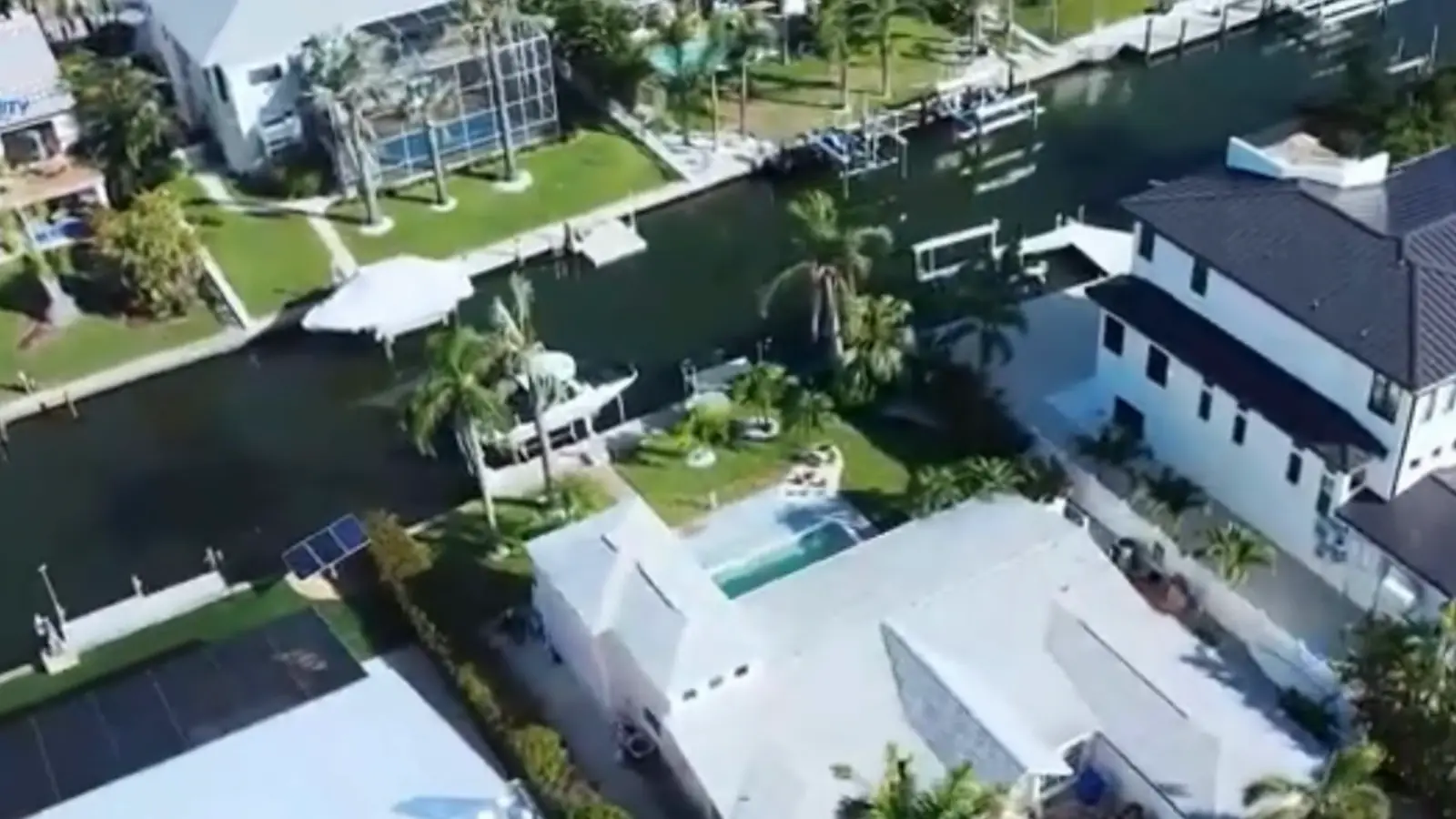
Hurricane season in Florida runs from June through November, right in the middle of the heaviest cooling months. Storms bring wind, flying debris, flooding and power surges, and all of them can damage an air conditioner. A little preparation goes a long way.
Before the storm
Schedule maintenance early in the season so the system is in good shape. Clear loose items around the outdoor unit that could become debris. Make sure the unit is secured to its pad or stand. Ask about surge protection, since power surges when the grid comes back are a common cause of electrical damage.
When a storm is close, many homeowners cool the house down a little extra before landfall, then turn the system off at the thermostat and at the breaker before the worst weather arrives.
Should you cover the outdoor unit?
The outdoor unit is built to be outdoors and handle rain. A cover can help protect against debris during the storm, but it must be removed before the system runs again, or it will overheat.
After the storm
Do not turn the system back on until you have looked at the outdoor unit. If it was underwater, has visible damage, is tilted off its pad, or has debris inside the fins, call a technician before using it. Flooded electrical components can be dangerous.
Once power is stable and the unit looks clear and dry, restore the breaker and turn the system on. Listen for unusual noises and watch for warm air.
Elevated equipment near the coast
Many homes on Longboat Key, Siesta Key and along the bay have equipment on raised stands. If you are considering relocating or raising a unit, that is a job for a licensed HVAC contractor.
Power surges and your AC
When power goes out and comes back, voltage can spike. Air conditioners have sensitive electrical parts, including control boards in newer systems, capacitors and contactors. Surge damage is one of the most common post-storm calls. Turning the system off at the breaker before the storm and waiting until power is stable to turn it back on reduces the risk. Whole-home or equipment surge protection is another option to discuss with a licensed professional.
Flooding and storm surge
Outdoor units and air handlers that sit low can be damaged by flood water or storm surge. Water can damage electrical components, motors and controls, and salt water is especially corrosive. Equipment that has been submerged should be inspected by a technician before it is used. In some cases it can be cleaned and repaired; in others, replacement is the safer choice.
Securing the outdoor unit
High winds can move or tip an outdoor unit that is not properly anchored, which can break refrigerant lines and electrical connections. Make sure the unit is fastened to its pad or stand. Units on roofs or raised platforms should also be secured according to current requirements. If you are unsure, ask your technician to check during spring maintenance.
Generators and air conditioning
If you plan to run your AC on a generator, the generator must be sized and connected correctly. Central air conditioners have high starting current, and an undersized generator may not start them or may cause damage. A licensed electrician should handle generator connections. Never back-feed power into the home without proper equipment.
A simple storm checklist
Before the season: schedule maintenance, check anchoring, ask about surge protection, and clear the area around the unit.
When a storm approaches: secure loose outdoor items, pre-cool the house if you can, then turn the system off at the thermostat and breaker before severe weather.
After the storm: inspect the outdoor unit for damage, debris and flooding, wait for stable power, and call a technician if anything looks wrong before turning it on.
Help after a storm
Opportunity Air Conditioning provides inspections and repairs after storms across Sarasota, Bradenton, Lakewood Ranch, Longboat Key, Siesta Key and nearby areas, with emergency service available. We are licensed under Florida CAC1825277.
Insurance and documentation
Before the season, take photos of your outdoor unit, air handler and model plates, and keep your installation and maintenance records somewhere safe. If storm damage occurs, clear documentation of the equipment and its condition can help with insurance claims. Check your policy to understand what is covered.
Elevating equipment
Homes in flood-prone areas sometimes raise outdoor units onto stands or platforms. Relocating or elevating equipment involves refrigerant, electrical and drain work and should be done by a licensed HVAC contractor, often alongside any local requirements for elevated equipment.
Checking the air handler after a storm
Most attention goes to the outdoor unit, but the indoor side matters too. If the home had roof damage or a leak, water may have reached an attic or closet air handler, its electrical connections or the ductwork. Look for wet insulation, water in the pan, stains or a musty smell. Damp ducts and insulation can lead to mold if they are not dried or replaced. If anything looks wet or damaged, have a technician inspect the system before running it for long periods.
Post-storm service in Sarasota and Manatee County
Opportunity Air Conditioning provides service and inspections across Sarasota, Bradenton, Lakewood Ranch, Longboat Key and Siesta Key, with emergency service available.
Frequently asked questions
- Should I turn off my AC during a hurricane?
- Many homeowners turn it off at the thermostat and breaker before the worst weather to protect it from surges and debris.
- Can I run my AC after a flood?
- Not until a technician checks it if the outdoor unit or air handler was underwater.
- Can an AC unit be raised above flood level?
- Yes. Relocating or elevating equipment is a job for a licensed HVAC contractor.
- Can a power surge damage my AC?
- Yes. Surges can damage control boards, capacitors and contactors. Turning the system off before a storm helps.
- Can I run central air on a portable generator?
- Only if the generator is sized and connected correctly by a licensed electrician. Many portable generators cannot start a central AC.
Related services
Found this helpful? Make us a preferred source on Google.
Ready for an exact price?
Get a free, no-pressure in-home estimate. Real numbers for your home, not a phone guess.