How Often Should You Service Your AC in Florida?
· By Leandro Souza
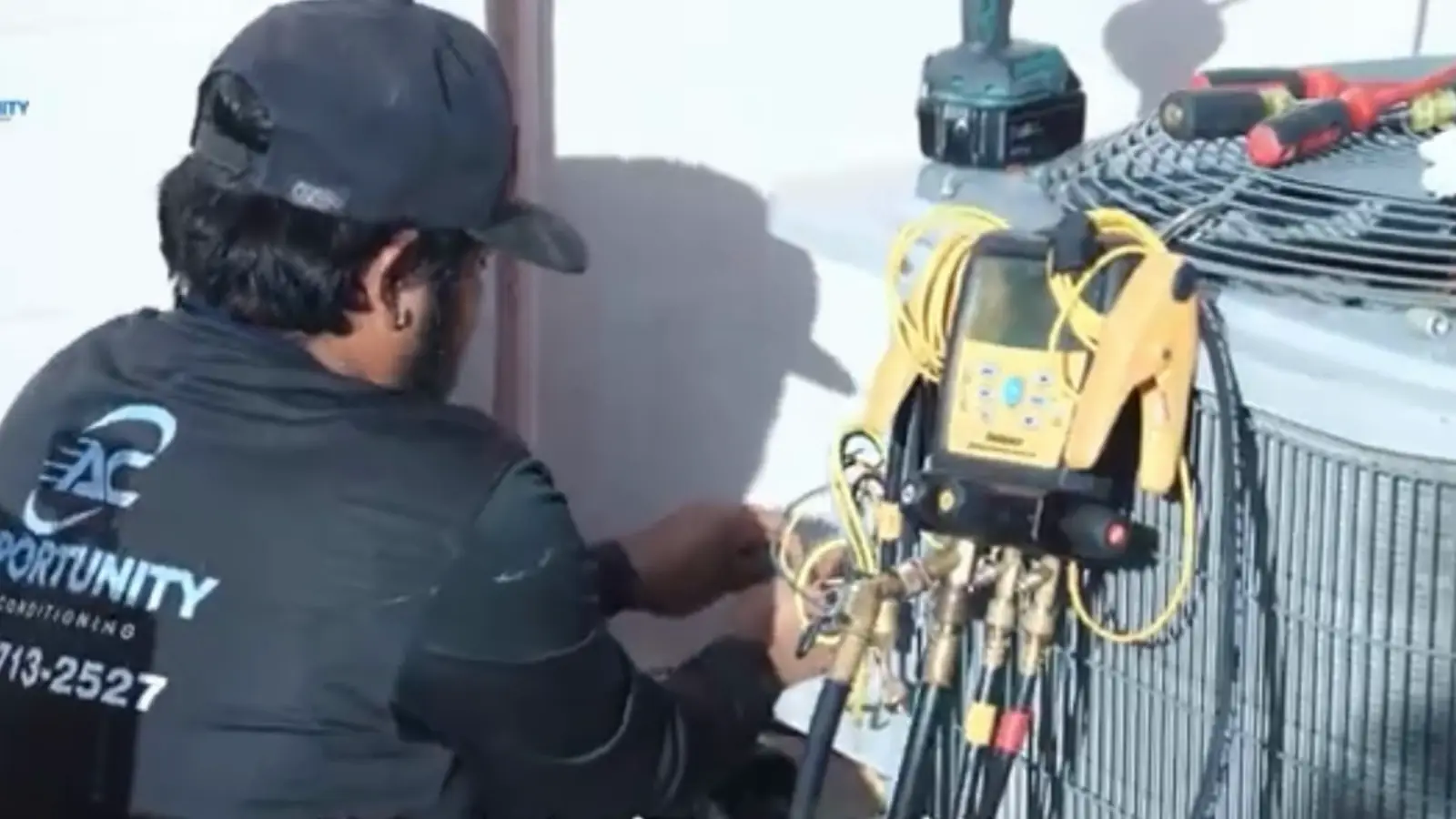
In much of the country, an air conditioner works for three or four months and then rests. On the Gulf Coast, it runs for most of the year, often for many hours a day, in heavy humidity and, near the water, salt air. That workload is the reason maintenance matters more here than almost anywhere else.
So how often should you service your AC in Florida? Here is a realistic schedule, what a proper tune-up includes, and what you can do on your own between visits.
The short answer: at least once a year, often twice
For most Florida homes, one professional tune-up a year is the minimum. Many homeowners schedule it in spring, before the heaviest cooling months. Homes near the water, homes with pets, rental properties and systems that run constantly often benefit from a second visit in the fall.
Commercial systems and properties where downtime is costly may need a more frequent schedule.
What a real tune-up includes
A tune-up should be hands-on. That means testing capacitors and contactors, measuring refrigerant pressures and the temperature difference across the indoor coil, flushing and treating the condensate drain, testing the drain safety switch, inspecting the indoor and outdoor coils, checking the blower, replacing or checking the filter, and tightening electrical connections.
You should get a clear explanation of what was found. Any repair should be quoted before it is done.
Why Florida systems need more attention
Humidity keeps the condensate drain busy, and algae can build up in the line. When it clogs, the system shuts down or water damages the ceiling or floor. Salt air near the coast corrodes outdoor coils and electrical parts. Long runtimes wear out capacitors and motors faster. Maintenance catches all of these early.
What you can do between visits
Change or clean your filter on schedule, usually every one to three months depending on the filter and whether you have pets. Keep plants, mulch and debris at least a couple of feet away from the outdoor unit. Keep supply vents and returns open and unblocked. If your system has an accessible drain cleanout, ask your technician how to safely flush it.
Do not open electrical panels on the equipment or try to add refrigerant yourself. Those jobs require a licensed technician.
A sample yearly maintenance calendar
Spring (March to May): schedule a full professional tune-up before the heavy cooling months. This is the most important visit of the year.
Summer (June to September): change or check the filter monthly, keep the outdoor unit clear of plants and storm debris, and watch for warning signs like water near the air handler or weak airflow.
Fall (October to November): a second tune-up is a good idea for heavy-use systems, rentals and homes near the water. Clear any hurricane-season debris from around the unit.
Winter (December to February): if you use heat strips or a heat pump on cool nights, make sure heating works and the house does not smell of dust when it first turns on.
Signs you need service before the next visit
Do not wait for the scheduled tune-up if you notice warm air from the vents, water around the air handler, ice on the copper lines, the outdoor fan not spinning, the system turning on and off every few minutes, unusual noises, musty or burning smells, or a sudden jump in the electric bill. Each of these usually means something needs attention now.
Maintenance and your manufacturer warranty
Many equipment manufacturers expect regular professional maintenance as part of keeping a system in good condition, and some warranties list maintenance requirements. Keeping a simple record of each visit, with the date and what was done, helps if you ever need to make a warranty claim. Check your equipment warranty documents for the specific terms.
How maintenance protects comfort, not just equipment
A system with clean coils, the right refrigerant charge and good airflow does more than avoid breakdowns. It removes humidity better, keeps temperatures steadier from room to room, and runs shorter cycles to reach the setting. In Florida, where sticky indoor air is the most common comfort complaint, that difference is noticeable.
Commercial and rental properties
Businesses, rental homes and vacation properties often run their systems harder than owner-occupied homes. Doors open frequently, thermostats get set low and the system may run around the clock. For these properties, two or more visits a year is common, and filter changes should happen on a tighter schedule. Opportunity Air Conditioning services both residential and commercial systems across Sarasota and Manatee County.
Choosing who services your system
Look for a state-licensed air conditioning contractor, ask what the tune-up includes, and make sure any repair is quoted before it is done. Opportunity Air Conditioning is licensed under Florida CAC1825277, offers same-day service 7 days a week, and charges no trip fee for the visit.
Filters: the one task you should never skip
If you do only one thing between professional visits, keep up with the filter. A clogged filter reduces airflow, makes the system work harder, can freeze the coil and lets more dust reach the coil. Check it monthly in summer. Use the size printed on the old filter, and choose a type your system can handle; very restrictive filters can reduce airflow on some systems. Write the change date on the filter frame so you always know when it is due.
Schedule maintenance in Sarasota and Manatee County
Opportunity Air Conditioning offers preventive maintenance 7 days a week across Sarasota, Bradenton, Lakewood Ranch, Longboat Key and Siesta Key. Licensed under CAC1825277.
Frequently asked questions
- When is the best time to schedule AC maintenance in Florida?
- Spring is popular because it is before peak heat, but in Florida any time is good. Twice a year is ideal for heavy-use systems.
- How often should I change my AC filter?
- Usually every one to three months, depending on the filter type, pets and how much the system runs.
- Does maintenance prevent breakdowns?
- It catches worn parts and clogged drains early, which prevents many of the most common summer breakdowns.
- Is a yearly tune-up enough for a vacation rental?
- Rentals often benefit from two visits a year plus filter changes at turnover, because systems run harder.
- Do I need to keep maintenance records?
- It is a good idea. Records help with warranty claims and show a buyer the system was cared for.
Related services
Serving
Found this helpful? Make us a preferred source on Google.
Ready for an exact price?
Get a free, no-pressure in-home estimate. Real numbers for your home, not a phone guess.